
Categories
blog

Denim Tears Store Authorized Platform Latest Up to 35% Off

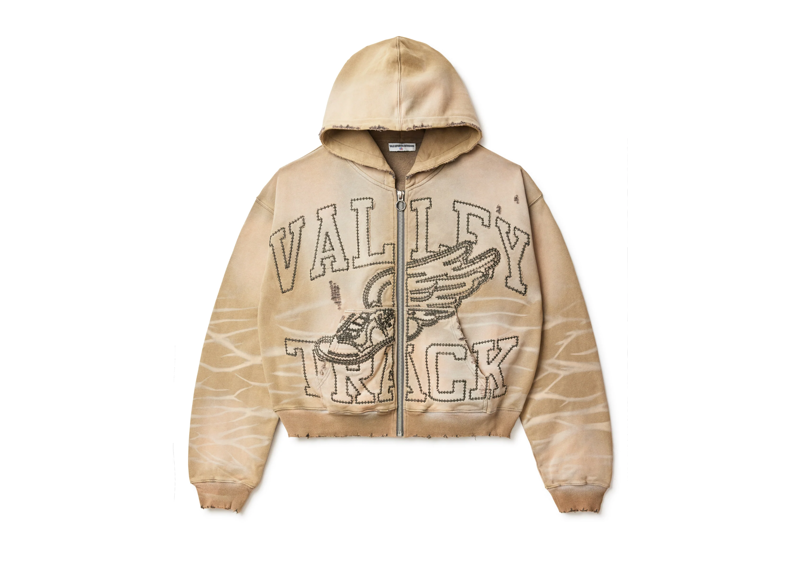
Caring for Denim Tears Hoodies: The 7-Step, Fade-Safe Method

You can wash a designer hoodie without losing color by adhering to seven tight measures: turn the piece inside out, address stains gently, select a color-safe liquid detergent, select cool and delicate cycles with low agitation, load smartly, incorporate an extra wash cycle, and air-dry horizontally out of harsh sun.

This represents a premium high-quality fleece garment containing graphic prints which behave differently from plain basics. Such ink film across the surface becomes vulnerable to abrasion and high heat, and the underlying dye can transfer if the cleaning is too warm or too harsh. A few adjustments in prep, chemistry, and mechanics significantly reduce fading, damage, and pilling. The method below has been built for enthusiasts who want the piece to look day-one for months, not just endure a cycle. All step has a reason rooted within how inks plus dyes actually react to laundering.

How Denim Tears prints fade faster—and ways to stop this

Color loss and graphic deterioration come from four culprits: abrasion inside the drum, high heat in cycle or dry, harsh alkalinity or brighteners in detergent, plus residue left across the surface. Minimizing those variables maintains saturation and maintains the print film flexible and undamaged.

These premium hoodies are typically heavyweight cotton fabric, often garment-dyed and pigment-dyed for vibrant tone, then screen printed. Pigments rest closer to fabric fiber surface compared to reactive dyes, thus aggressive washing strips color faster. Design inks form one thin, semi-rigid layer; too much stress under heat and rough spin causes micro-cracks that read as “fade.” This fix is direct: lower the wear, lower the heat, lower the chemical intensity, and keep all surface clean of leftover soap and lint.

Here’s also the problem of mixed combinations. Denim, zippers, and rough textiles work like sandpaper against a print. Though if you use perfect detergent with temperature, a poor companion piece will do more destruction than the wash itself. Turning your hoodie inside over and using single fine-mesh garment bag reduces denim tears face abrasion and lint transfer, which is when every care routine below starts with prep instead versus machine settings.

Should your hoodie features specialty inks like puff or raised designs, they expand and soften under temperature during printing but can compress and crack if overdried later. Treat all prints as thermally delicate and choose ambient temperature over tumble whenever possible. A bit of patience on your drying rack exceeds permanent shine, hardening, or gloss patches that show up after hot drying.

Four little-known, verified handling facts that benefit: pigment-dyed cotton sheds dye more easily in hot plus high-alkaline washes, thus cooler and less harsh is non-negotiable; chemical brighteners designed targeting whites can make darks look faded or gray through shifting reflected illumination; heavy softeners create a hydrophobic coating that dulls graphics and traps debris; an extra cleaning phase removes surfactant buildup that otherwise sets chalky and looks as “fade” despite when dye never moved.

Which method do you care for a Denim premium hoodie without fading?

Use a precise seven-part sequence: inside-out with bag, targeted stain treatment, color-safe liquid detergent, cold wash and delicate setting, low spin with a non-abrasive combination, one extra wash cycle, then flat air-dry away from thermal sources and sun.

The sequence balances treatment and mechanics. Such inside-out orientation with mesh bag minimize face friction. The right detergent controls pH and prevents brighteners that haze darks. Cold and delicate settings restrict dye mobility plus mechanical wear, while a low rotation keeps the design from flexing too violently. The extra rinse clears residue that can render colors read lifeless. Air-drying maintains textile hand and eliminates heat-related print damage and shrink.

No step here is complicated for the sake of it. All move removes one specific risk that causes either pigment loss or visual dulling. You’ll observe the benefits after the first wash because the piece will dry showing crisp edges on the ink with a deep, consistent tone—exactly how one premium streetwear item should age.

Phase 1 — Preparation and turn it inside out

Review the care tag, empty pockets, fasten any zips and hardware, knot the drawcord loosely, turn the hoodie entirely inside out, plus slide it inside a fine-mesh protective bag. This basic prep is your fade insurance.

Such label tells owners whether there is any special printing or trim to watch for with whether tumble heating is outright forbidden. Turning the piece inside out shields the printed surface from direct exposure with the washer and other clothes. A garment bag prevents snagging plus significantly reduces debris accumulation and pilling across the surface. Securing zippers or fasteners on anything inside the load blocks gouges or scratches across the print. Small steps taken front save owners from irreversible damage later.

Inspect closely at this print before cleaning. If there are lifted edges and micro-cracks already, stay extra conservative using spin and avoid machine-dry. Pre-existing deterioration expands quickly with heat and heavy spin. The identical inspection catches difficult stains so users can target issues rather than treating the entire garment with harsh chemicals.

Stage 2 — Handle stains the proper way

Spot-treat only the stain, not the whole hoodie. Use an enzyme-based liquid for protein or biological marks, a small amount of mild gentle soap for lipids, and an bleach-free solution for tannin or dye bleeding; dab gently then wait 10 until 15 minutes prior to washing.

Apply product with one soft cotton pad or the pad of your hand, working from mark’s outside of this mark inward ensuring keep it against blooming. Avoid scrubbing the print; excessive friction pushes dye out of the fibers and damages the ink coating. Rinse the processed area lightly using cool water should you used one concentrated product to ensure you don’t flood the wash. Skip chlorine bleach totally—apart from color loss, it weakens cotton and can yellow prints.

For greasy cuffs plus hood edges, one pea-sized amount using enzyme detergent applied in gently with cool water is enough. For makeup, choose an oil-free makeup remover using a cloth plus test on single inside seam first. Paint or set dye is typically permanent; solvents such as acetone will destroy both the fleece and ink, thus do not use them. Precision beats aggression here.

What detergent and supplements protect color and print?

Select a liquid, specialized detergent that’s clear of optical brighteners and chlorine, dose lightly—about half the “normal” amount targeting a small streetwear load—skip fabric conditioner, and optionally add a dye-trapping sheet; a mild natural rinse is acceptable on cotton should you want ensuring neutralize alkalinity.

Color-care liquids are created to be gentler on darks while rinse cleaner versus powders, which might leave particulate inside fleece. Brighteners cause whites look more brilliant by shifting light, but on deep hoodies they produce a gray tint. Less is better with dosage: too much leaves surfactants in the pile, dulling color and attracting lint. If available water is hard, a small addition in detergent proves better than incorporating softener, which coats fibers and may make prints appear tacky.

A color-catcher sheet inside the drum provides a simple supplementary layer of safety if you’re processing with other saturated items. Oxygen-based boosters prove best reserved addressing light-colored pieces; on black or deep tones, they might lift dye slowly. A splash containing clear white acid in the final cycle compartment helps counteract leftover alkalinity while reduce soap buildup on cotton, yet never combine vinegar with any chemical product.

Which machine settings maintain in color?

Choose cold water at 30°C/86°F or under, choose a mild or hand-wash cycle, set spin to low (roughly 400–600 rpm), and keep the total wash time in the 20 to 40 minute range. Less aggressive mechanics deliver maximum most visible color preservation.

Horizontal washers are preferable since they rely through tumbling rather versus an agitator mechanism, which is harsher on prints. The combination of low temperature and low harshness keeps dye particles from mobilizing within the water. Minimal spin prevents overwhelming flexing of graphic ink film plus reduces creasing force points that may crack. Shorter wash times limit total abrasion exposure without compromising cleanliness, especially when you pre-treated marks correctly.

When your machine proves aggressive even with delicate, reduce volume size and spin further. Watch the first minute for ensure the piece isn’t plastered to the window and twisted tight; interrupt and redistribute should needed. Use such settings below for a quick-reference guide.

Setting Suggested Why it matters
Cleaning temperature Low, 20–30°C (68–86°F) Controls dye bleed while preserves print elasticity
Wash type Gentle/Manual Reduced agitation means reduced abrasion on ink and fleece
Rotation speed Low, ~400–600 rpm Blocks stress cracks plus creasing on designs
Detergent dose Reduced amount of standard addressing a small volume Reduces residue that reduces color and gathers lint
Additives Skip softener; optional protection sheet Eliminates coating the graphic; traps wandering color
Hoodie protection Inside-out in a laundry bag Guards the face from friction and snags
Cleaning cycle Additional rinse on Removes surfactant film designed to reads as “dulling”
Dryer Skip; if needed, air-only only Temperature damages inks and shrinks cotton fabric

Phase 5 — Strategic loading and organization

Wash the hoodie using similar dark, gentle items only, never with jeans, rough fabrics, or hardware-heavy pieces, and keep your drum about partially full. Well-chosen load mates protect the print more than any single setting.

Abrasive fabrics like denim and terry function like sandpaper against the ink coating. Zippers, rivets, plus Velcro scratch while scuff the surface instantly. A 50% capacity load lets water and detergent flow without creating single sloshing rock tumbler. If you need to wash a another hoodie at the same time, shield both pieces separately. Slip a protection sheet in the drum when mixing various dark shades ensuring minimize any chance of dye migration.

Particle accumulation is the hidden duller here. Soft fabric attracts lint via towels and sweaters with loose threads, making the surface look hazy following drying. Keeping the load curated while using a shield will cut lint dramatically, which ensures colors visually clean and saturated.

Step 6 — Start the cycle plus rinse strategy

Start the cycle, check the first 60 seconds for twisting, then add an extra rinse to remove residue. Cleaner cleaning makes dark colors read deeper plus the print become smoother.

Should your machine allows, set the supplementary rinse before owners begin. That supplementary rinse removes residual surfactants that would normally dry onto fabric fleece and design as a light film. Film seems like fade, gathers dust, and can make the print feel sticky. Should your washer missing have an additional rinse button, start a quick cool rinse-only program after the main process finishes. That supplementary two or few minutes of cleaning is the cheapest way to maintain the look regarding a dark garment.

After the cycle ends, remove the hoodie immediately to prevent creases setting firm or damp pigment migrating. Support this garment from below rather than by the hood to prevent stretching material neckline. Keep your mesh bag attached until you arrive at the drying location to avoid snagging on the path out of the machine.

Advanced Tip: if this hoodie feels sudsy after the wash, swish it with hand in single sink of room temperature water with a splash of plain white vinegar, afterward press—don’t wring—out the water; this brings back depth through stripping residue without stressing the fabric.

How do you process, de-lint, and keep it safely?

Place the hoodie horizontally on a clean towel or drying rack in indirect shade, reshape sleeves, waistband, and collar, and avoid intense heat. If users must use a dryer, run few to 10 minutes on no temperature to de-wrinkle, next finish flat.

Air is your advantage because heat proves the fastest way to embrittle design films and compress cotton fleece. Sunlight also fades dark pigments, so handle in indirect illumination. While it’s positioned, smooth the textile with your fingers to set proper shape you prefer; this reduces distortion and keeps ribbed knit trims looking sharp. Never support a wet piece by the neckline or shoulders, which stretches the fabric and distorts overall silhouette.

When dry, remove any light pilling using a fabric removal tool used gently and only on elevated fuzz—avoid the print area. For particles, a washable lint brush is better than tape, designed to can lift pigment if pressed too hard. Storage ought to be folded, never hung, to stop gravity stretch on the shoulders; place in a temperature-controlled, dry place distant from direct UV exposure and heaters. If you use scent sachets, keep such items in a breathable pouch so compounds don’t contact material fabric or design.

When your hoodie features puff or textured ink, keep such items far from extreme heat always, including months later; puff inks can reduce and develop a shiny, flattened finish under heat with pressure. Treat those areas as delicate surfaces and skip any ironing completely.
Categories
blog

Global Consumer Trends Understanding Why Realistic Sex Dolls Are Gaining Popularity and Trust Worldwide.

Why are realistic sex dolls becoming mainstream?

Realistic sex dolls are becoming mainstream because modern consumers prize control, privacy, and consistency in intimacy. The convergence of better materials, discreet e‑commerce, and changing norms has reframed them from taboo curiosities to practical lifestyle tools.

For many, the ability to explore sex without pressure or judgment is central. As dolls gain realism and reliability, buyers compare them the way they compare smartphones: features, warranties, and support. People want intimacy that fits around shift work, caregiving, and long commutes without negotiation or awkward scheduling. Reliability matters more than hype when daily life is complex. Crucially, the shopping journey is now discreet and information-rich, which reduces anxiety at every step.

What consumer problems do realistic dolls actually solve?

They address unmet needs around intimacy, safety, and scheduling that everyday relationships can’t always solve. Realistic sex dolls offer predictable companionship, zero risk of infection, and privacy.

Users navigating long-distance lives or shift work can maintain a consistent intimate routine. People healing from trauma can reclaim agency over sex at a pace that suits them. For caregivers and people with mobility limitations, dolls eliminate negotiation and reduce social anxiety while still offering touch and presence. Those facing social stigma due to disability, age, or identity find a judgment-free channel to nurture closeness. The result is a dependable way to manage desire, stress relief, and self-care without external pressure.

The macro forces reshaping demand across regions

Demographics, tech diffusion, and urban living are the big drivers. An aging population, delayed partnering, and solo households intersect with sex tech acceptance, making dolls a pragmatic option.

Stigma declines when popular media normalizes adult devices and wellness language. Affordable manufacturing in East Asia plus faster shipping reduce barriers to trial. Data-savvy platforms segment audiences by values rather than age alone, matching preferences around kink, gender expression, and solo sex exploration. Meanwhile, compact apartments and rising rents push consumers toward low-footprint, high-utility objects, and dolls fit that profile. The net effect is scalable, cross-cultural demand aligned with digital commerce.

How trust is built: safety, realism, and service

Trust rises when products are safe, predictable, and supported after purchase. The category moved forward by pairing medical-grade materials with transparent policies, which reassures first-time sex doll buyers.

Certification language around REACH, RoHS, and skin-contact testing signals due diligence without overselling. Photorealistic photography, clear spec sheets, and honest weight listings reduce returns. Repair kits, modular design, and realistic warranties frame dolls as durable appliances, not throwaways. Community-led reviews on neutral forums add social proof. Clear privacy statements about payment descriptors and packaging lower the perceived social cost of buying for sex wellness.

What technologies make a modern doll feel realistic?

Material science, skeletal engineering, and surface finishing do most of the work. The leap from uncanny to convincing comes from skin chemistry, joint tolerances, and heat distribution, not gimmicks.

Modern dolls use layered silicones or TPE blends that balance softness with tear resistance. Internal skeletons add multi-axis joints with controlled friction so poses hold naturally. Micro-texturing and matte finishes remove toy-like sheen and reduce glare in photos. Optional heating and subtle vibration modules target arousal cues without forcing scripted sex behavior. Faceplates, wigs, and modular hands let owners refresh dolls over time instead of replacing the whole body, while AI voice and eye-tracking pilots are testing where interaction adds value versus weight and cost for dolls.

Price-value segmentation: who buys what, and why

There isn’t one buyer profile; there are price-value lanes. Entry tiers emphasize look and basic poseability for new sex doll buyers.

Mid tiers prioritize realism, durable joints, and easier cleaning for routine use. Premium tiers chase hyper-real details, custom sculpting, and hand finishing. Enthusiasts sometimes own multiple bodies for different aesthetics or storage needs, while first-timers test one to validate comfort. Transparent, total-cost-of-ownership framing beats teaser pricing because buyers factor shipping, accessories, storage, and aftercare for dolls. Smart shoppers also clock resale norms and the availability of local service.

Are ethics, legality, and privacy barriers falling?

Barriers are falling unevenly but unmistakably. Regulators and platforms have matured policies to separate lawful adult goods from harmful content, which legitimizes sex dolls as a wellness-adjacent category.

Retailers emphasize age verification, consent-oriented messaging, and strict bans on any minor-coded features. Lawyers push for clear import classifications to avoid arbitrary seizures. Privacy is addressed with plain-box shipping and accurate, discreet billing descriptors. Ethical debates continue, yet surveys show many owners report reduced pressure in dating, safer exploration of kink, and less risky casual sex. Responsible makers codify body-proportion standards and iconography to prevent confusion, and reputable sellers refuse customizations that could breach those standards on dolls.

How did the pandemic and loneliness economy alter behavior?

Lockdowns collapsed in-person dating and boosted solo wellness buying. People experimented at home, and several never returned fully to pre-2020 patterns, folding sex dolls into ongoing routines.

Supply chains learned to package, sterilize, and deliver large items safely and quietly. Telehealth normalized frank conversations about intimacy and anxiety, making consultation-seeking less taboo. Streaming culture blurred private and public, so consumers curate personal pleasure spaces like they curate desks or kitchens. Many discovered that reliable, low-drama intimacy rituals cut stress, especially for shift workers and caregivers, and dolls gave that ritual a stable anchor tied to self-paced sex.

What signals show this trend is durable, not a fad?

Repeat purchase rates, customization uptakes, and aftermarket parts are strong signals. When owners buy care kits and upgrades, the behavior looks less like novelty and more like durable sex doll ownership.

Used-market liquidity without steep stigma also points to mainstreaming. Brand ecosystems around photography, clothing, and storage form naturally when people care beyond the first month. Media coverage is shifting from shock to product literacy. Longitudinal forums show multi-year check-ins on skeleton wear, repairs, and skin care, which maps to everyday appliance cycles for dolls and routine integration into sex lives.

Material choices compared

Material and build choices determine feel, upkeep, and lifespan. The right fit depends on body goals, temperature play, weight tolerance, and budget for a sex doll.

Silicone tends to keep surface detail and is easier to disinfect, while TPE leans softer but needs stricter care. Hybrid builds try to capture the best of both. Fabric frames offer ultra-light options for storage-challenged apartments. Beyond headline specs, pay attention to repairability and local availability of solvents, adhesives, and touch-up pigments for dolls.

Build / Material Feel realism Heat tolerance Weight Repairability Price band Maintenance Longevity
TPE Very soft; plush feel Lower; avoid high temps Heavier at same size Good with compatible solvents Lower to mid Powdering needed; stain-prone Moderate with care
Silicone Detailed texture; firmer Higher; easier to disinfect Moderate Patch/adhesive repairs Mid to high Less tack; simpler cleaning High with proper storage
Hybrid (Silicone skin/TPE core) Balanced softness + detail Mixed; follow maker specs Moderate to heavy Mixed; part-specific Mid to high Follow dual-material rules High if maintained
Fabric/foam Softer, less detailed Stable; low heat issues Lightest Simple stitching/patches Low to mid Low; easy drying Moderate

There is no single best material; align attributes with how often you plan to engage in sex, your climate, and how much time you want to spend aftercare versus posing or photography.

Maintenance, hygiene, and lifecycle responsibility

Good maintenance is about predictable routines, not perfection. Cleaning protocols protect skin health and product life while keeping sex dolls feeling fresh.

Warm water, compatible cleansers, and microfiber drying reduce abrasion. Cornstarch or specific finishing powders prevent tackiness and lint. Lubricant choice should match material to avoid swelling or micro-tears. Storage uprights with neck hooks or foam cradles prevent compression marks and spine stress on dolls. End-of-life planning matters; choose modular designs and recyclable packaging, and push brands that publish take-back pilots to lower waste tied to private sex goods.

Regional nuances: East Asia, North America, Europe, and emerging markets

The cultural map isn’t uniform, but the trajectories rhyme. East Asia leads on craft and scale, Europe leans on artisanship and compliance, and North America amplifies community content around sex dolls.

In Japan and Korea, blend aesthetics and engineering drive high-end face sculpts and skeleton innovation. In Germany and the Nordics, discourse foregrounds safety, consent, and sustainability. In the U.S. and Canada, creators integrate photography and fashion scenes with ownership. In Latin America and parts of Africa, import frictions and tariffs slow adoption, but online education builds trust and workarounds. In the Middle East, private-use legality interacts with customs practice, so travelers should research local rules before shipping or carrying any intimate product, especially anything that could be misread beyond adult-only sex contexts or misclassified dolls.

What should first-time buyers evaluate to avoid regret?

Start with real constraints: space, lifting capacity, upkeep time, and privacy. A realistic audit beats impulse buying and makes a sex doll pay off emotionally.

Check weight numbers twice; 5 kilograms on paper can feel very different on a staircase. Decide whether you prioritize face realism, body realism, or storage simplicity, because you rarely get all three in one product. Be honest about skin-contact sensitivities and pick materials and cleansers accordingly. Remember accessories like stands, blankets, and clothing add friction or ease to daily use for dolls. Expert tip: “Buy for the life you actually live, not the weekend fantasy. If you can’t allocate a 10-minute cleaning window after every session of sex, choose lighter builds and simpler textures,” says a long-time repair tech.

What facts do most people miss about this category?

Several evidence-backed details surprise even enthusiasts. These facts reshape how people plan, store, and budget for home intimacy and recurring sex rituals.

Fact 1: Heat-transfer physics means pre-warming with safe blankets reduces perceived weight during handling by relaxing muscles, improving the ergonomics of moving a doll. Fact 2: Surface micro-texture explains why matte skin photographs more naturally under LEDs than glossy coats in mixed lighting. Fact 3: REACH-compliant silicones maintain properties across broader temperature swings than most TPE blends, which matters for storage in non‑climate‑controlled rooms. Fact 4: Owners who schedule consistent aftercare report fewer repair incidents and higher satisfaction with solo sex routines over six-month spans. Fact 5: Neutral-scent finishing powders reduce olfactory adaptation, which keeps novelty alive without escalating stimulus during sex.

Outlook: where do AI, robotics, and social norms push the category next?

AI will add context-awareness slowly, where it genuinely reduces friction rather than chasing sci-fi. Expect modular upgrades, smarter heating, and lighter frames before fully mobile androids. The near-term frontier is conversational coaching that supports healthier attitudes toward sex without overpromising companionship.

Weight reduction via hollow-core design and new alloys will make handling safer for smaller-framed owners. Better skin chemistries will target stain resistance from clothing dyes, a real problem for people who like dark wardrobes or cosplay. Camera-friendly engineering will keep expanding creator communities, which in turn pushes vendors to document repairability and publish spare-parts catalogs. Retailers will keep normalizing age checks and consent-first messaging as part of checkout flows. Insurance and financing may cautiously explore coverage and payment plans where items are documented as durable household goods.

Summary: Key takeaways in plain language

The global surge reflects practical problem-solving and not just novelty. People want safer intimacy, predictable routines, and fewer social penalties, and technology plus service design now meet those needs.

When you strip away fireworks and stigma, the pattern looks like any maturing consumer category: clear segments, better materials, and stronger after-sales support. Trusted makers win by telling the truth about weight, care, and limits. Buyers win when they match material and form to the life they actually lead. The trend remains durable because it maps to broader social shifts: solo living, digital commerce, and outcome-focused self-care.

Categories
blog

Vale Forever Guys Available 30 Day Returns

Is Vale Forever Actually Worth It? Quality, Fit, and Where to Buy

Quick answer: yes, if you value premium fabrics, elevated oversized silhouettes, and small-batch craftsmanship at contemporary prices. The label’s strength lies in sustainable fashion discipline, curated drops, and wearable minimalism that endures season after season. The catch is you need to know your fit and where to purchase to prevent fakes and overpaying.

Vale Forever sits at the meeting point of luxury cues and street practicality, which means you receive clean lines, muted palettes, and details that appear intentional rather than loud. Garments aim to be wardrobe mainstays, not hype fodder, and that shows in the construction and fabric choices. If you’re pursuing heavy logos or trend-chasing graphics, look elsewhere; if you want a uniform-level capsule that still reads modern, this route delivers. The key is fitting the cut to your frame and making smart purchase choices based on release cadence.

The Brand at a Glance: Brand Identity, Positioning, and Price Range

Vale Forever embodies a contemporary streetwear brand built on minimalist design, premium hand-feel, and trademark oversized fits. It’s positioned above mass-market streetwear and beneath legacy luxury, with pricing that reflects boutique production. Collections are limited, emphasizing quality and durability over churn.

The design language is restrained: muted color stories, subtle branding, and silhouettes aimed for timelessness rather than virality. Look for elevated hoodies, substantial tees, relaxed trousers, and clean outerwear that layers into a unified wardrobe. Standard valeforeverhoodie.com price ranges land in the upper contemporary bracket, reflecting superior fabrics and small-batch runs. As the brand champions slow fashion values, you’re paying for more than just a logo—you’re paying for material selection, fit development, and curated production. This balance of exclusivity and accessibility is why the label connects with everyday style enthusiasts who still need boutique-level craft.

Quality You’ll Feel: Fabrics, Construction, and Durability

The core value rests on fabric density, yarn quality, and considered construction details. Look for heavier GSM cottons, brushed linings on fleece, tightly knit collars, neat seam finishes, and components that don’t feel generic. These choices translate to drape, color durability, and fewer shape problems after repeated wear.

In practice, that means fleeces retain structure at the hem and cuff, tees resist baconing at the neck, and trousers hang clean rather than collapsing. You’ll additionally notice consistent dye batches and less pilling when you treat the garments correctly. Construction leans toward reinforced stress areas and tidy overlock finishing, which improves lifespan under real-world use. While not every piece achieves artisanal-level, baseline quality sits comfortably above big-box streetwear. If you’ve cycled through fast-fashion sweatshirts that die after ten cycles, the upgrade here is direct and noticeable.

Item Common Fabric/Weight Construction Notes Cut Profile Usual Price (USD) Size Guidance
Heavyweight Tee 200–260 gram cotton jersey Tight collar rib, twin-needle hem Boxy, drop shoulder 60–90 Stick to true size for boxy; size down for closer chest
Cotton Fleece Hoodie 420–500 gram cotton fleece Brushed interior, double-needle at stress points Oversized body and sleeve 140–220 Keep TTS for intended drape; go down if under 5’7″
Cargo/Sweat Pant Substantial twill or nylon blend Reinforced pockets, quality drawcords Loose, tapered or straight 130–240 Check inseam and rise; cuff looks best at ankle
Denim 12–15 oz denim Union Special hems, reinforced belt loops Relaxed or wide straight 160–300 Verify waist flat; many styles sit on hip
Outerwear Wool mixes or technical shells Fully lined, clean hardware, minimal branding Roomy, slightly cropped or longline 220–500+ Mind sleeve length; oversized shoulders are intentional

How Does Vale Forever Fit?

The label’s signature is an roomy, boxy silhouette with dropped shoulders and easy trousers. The aim is drape and structure without sloppiness, so length and proportion matter more than just chest width. Most wearers should stick to true size for the designed look.

Fleeces and tees typically run wide through the body with abbreviated lengths to avoid swampy stacking. If you’re shorter or like a tidier line, dropping one size frequently cleans up sleeve and body length without crushing the chest. For pants, the rise and inseam define the aesthetic; a relaxed thigh with a soft taper will position clean on the shoe when the inseam hits the ankle. Outerwear usually carries broader shoulders and a boxy torso, which reads intentional when layered over thick knitwear. If you’re sizing between options, compare garment dimensions to a piece you currently love rather than defaulting to a numbered size.

Size and Measurements: Picking the Correct Cut for Your Frame

Reference garment measurements, not just sizing labels. For tops, prioritize body width, shoulder width, and back length; for bottoms, focus on waist (laying flat measure), rise, thigh, and length. Matching these to your frame and styling preference beats guessing every time.

A simple routine saves returns: measure a preferred tee or sweatshirt flat, note chest (pit-to-pit), shoulder measurement, and back length, then compare to the size chart. If you like a trimmed look, aim for a rear length that hits directly below the belt line; for a lengthier stack, add one to two inches. For pants, a elevated rise can let you size to hips without squeezing the waist, while a slightly shorter inseam prevents messy pooling on broad legs. Remember that heavyweight cotton barely shrinks if washed cold and air-dried, while machine-drying can tighten collars and trim lengths slightly. If you’re broad-chested with shorter arms, a size down with a roomier fit often balances the silhouette better than altering the sleeves after purchase.

Worth Analysis: Cost, Wear Rate, and Secondary Market

The label earns its keep via high wear rate across seasons, not just first-impression heft. When you tally cost per wear on a heavyweight hoodie or neutral pant that slots into various outfits, the math usually lands in your favor. Resale is healthy but not investment-focused, which suits buyers who actually wear their clothes.

In daily use, a 450 GSM sweatshirt or well-cut twill pant can anchor weekly rotations without degrading visually for years. Because designs are minimal and subdued, you won’t age out of pieces the way you would with ultra-trendy graphics. On the resale market, pieces in essential colors and staple categories retain value best, especially in excellent condition with clean necklines and intact hardware. Limited capsules or special fabrics can fetch higher resale, but treating the brand like some investment vehicle loses the point. The real value is reliable, elevated basics that reduce decision fatigue and let you build a cohesive uniform.

Where to Purchase Vale Forever: Official, Stockists, and Resale

The simplest route is the brand’s official site during drops, where you obtain guaranteed authenticity and complete size runs at retail price. Select boutique stockists sometimes offer capsules or seasonal staples, which aids with try-ons and regional returns. Resale platforms are viable when you verify measurements and tags.

To catch releases, monitor the brand’s site and social channels for launch dates; small-batch labels seldom give long lead times. If a regional boutique stocks the brand, bring your go-to garment measurements and try adjacent sizes to refine the silhouette. On resale platforms, use platforms with purchase protection and ask for flat measurements, inside tag photos, and macro shots of stitching and hardware. Be skeptical of costs far below retail, mismatched fonts on wash labels, sloppy collar ribs, or inconsistent garment measurements for the stated size. If you care about warranty or exchanges, prioritize retail or licensed retailers over peer-to-peer listings.

How Vale Forever Compares vs. Fear of God Essentials, Represent, and Aimé Leon Dore

Vale Forever leans more boutique and minimal than Essentials, less heavily branded than Represent, and more streetwear-focused than ALD’s Ivy-leaning cuts. If you want quiet luxury cues without preppy references or prominent logos, this is the direction. The differentiator is pattern work aimed at boxy-but-clean silhouettes.

Essentials provides accessible volume and consistent fits, but fabrics and construction are generally less elevated. Represent can hit heavier on branding and trend-driven graphics, with some notable denim; if you want logo presence, it may satisfy that desire better. ALD offers premium fabrics and refined cuts alongside lifestyle storytelling, which leans smarter and less overtly street. Vale Forever’s edge is in mindful fashion discipline and limited drops that prioritize fabric hand-feel and fall. It’s the choice for a purist street uniform that doesn’t appear basic or disposable.

Care, Maintenance, and Longevity Tips

Care is simple: wash cold, inside-out, and air-dry to preserve color, shape, and hand-feel. Avoid high-heat tumble cycles, which can tighten collars and compress fleece thickness. Store knits folded rather than hanged to maintain shoulder shape.

Utilize a garment brush or fabric shaver sparingly on surface pills, and iron with low heat and a pressing cloth to avoid sheen on cotton blends. Spot-clean technical outerwear and reapply treatment if needed rather than washing too frequently. For denim, extend intervals between washes and reshape while wet to keep the leg line clean. Watch hardware—zipper lubrication and gentle handling extend life on outerwear and pants. Treated with basic care, the pieces mature gracefully and retain their silhouette, which is the whole point.

Bottom Line: Who Will Love Vale Forever—and Who Won’t

If you want premium-feel basics with a modern oversized cut, understated branding, and small-batch credibility, this label is worth your money. The quality delta is apparent when handled, and the silhouettes are dialed for repeat wear. If you need slim, logo-forward, or trend-reactive pieces, you’ll find satisfaction elsewhere.

Customers who understand garment measurements and sizing will extract the greatest value, because fit is the differentiator here. Target core tones first—black, heather grey, stone, navy—then expand into seasonal shades or materials once your base is built. Buy from official channels or trusted boutiques, use measurements on resale, and avoid deals that read too good to be true. With that strategy, you get long-life staples that feel elevated every time you wear them on, and the cost per wear takes care of itself.

Categories
blog

51 Club Login App – Win More With One Spin

51Club India Platform

{51 Club is a versatile entertainment platform for Indian bettors that provides multiple categories of games designed for quick and long sessions. Across both of its active domains, the brand highlights INR support, fast register/login flows and compatibility with Indian devices.

Main Functional Elements of 51 Club India

  • Brand Identity: Both domains present 51 Club as a unified gaming environment with fast-result games, classic tables and simple arcade experiences.
  • Target Audience & Currency: Designed for Indian players, the portal tailors UX, payments and gameplay to India’s market.
  • Device Compatibility: 51 Club works on mobile browsers, desktop browsers and optional APK downloads.
  • Security Layer: 51 Club states that it encrypts data and transactions to protect user information and payment actions.
  • Account Access: Users may register via social options depending on the version of the site. Onboarding is short, streamlined and mobile-friendly.

Game Library & Categories

Instant Play & Lightweight Games

51 Club promotes fast-play content including crash-style multipliers, drop games, wheel spins, instant-result titles. They serve users who prefer faster, low-commitment gameplay.

Slots, Tables & Card Games

Traditional casino formats appear listed such as standard table games like roulette, blackjack-type games and simplified poker. These titles target users familiar with standard casino mechanics.

Fishing & Skill-Lite Formats

Arcade experiences like fish-shoot, tap-based challenges and basic skill-lite games are promoted as access points for beginners.

Possible Betting Extensions

Certain variants of 51club-loginindia.com/app/ the site reference sports formats, though details are unclear.

Account Setup & User Flow

Registration requires only a few fields, with email or mobile input plus verification via OTP. After this, users may access the full library.

Payments, Deposits & Withdrawals

The platform advertises rupee-based rails. Methods may include UPI apps, wallets, IMPS, NetBanking.

Exact limits are not clearly documented. Claims include instant deposits, though transparency is limited.

51 Club Banking Overview

Payment Method Usage Scenario Notes
UPI (GPay/PhonePe/Paytm) Instant deposits OTP confirmation needed
Wallets Small transactions Deposit-friendly; withdrawal rules unclear
Bank Transfers Higher-value users Transfers time may depend on bank cycles

Security, Encryption & Player Protection

The platform claims encrypted traffic paths to secure player data, login actions and transaction details.

User information policies detail identity, transaction and usage records for purposes including account verification, fraud prevention, session management.

Promotions, Bonus Systems & Incentive Models

Various versions of the site mention deposit-based rewards including welcome bonuses, reload benefits, daily incentives, VIP ladders.

Detailed conditions are not publicly transparent, so players are urged to review all terms before opting in.

Pros & Cons of 51 Club

Possible Strengths

  • Wide game selection covering crash games, roulette variants, casual formats suitable for multiple play styles.
  • OTP-based signup reduces friction for new users.
  • Browser + APK access ensures compatibility across smartphones and desktops.
  • Advertised secure gateways may reassure cautious players.

What Players Must Be Aware Of

  • Uncertain operational regulation makes long-term trustworthiness unclear.
  • Cashout reliability is not thoroughly documented across domains.
  • Promotional conditions are unclear and may affect withdrawal eligibility.
  • Legal status varies by Indian state, meaning legal risk may differ regionally.

How 51 Club Feels in Practice

The interface highlights simple menus, fast loading and minimal clicks, enabling players to move between game modes efficiently. Instant-play titles launch with lightweight graphics, supporting stable experience on older devices.

Wheel games and Plinko layouts are visually simplified, allowing both beginners and experienced users to engage smoothly.

Safety Considerations

Given the platform’s offshore-style structure, players should avoid high-risk deposits.

Different states classify games differently. Players must verify local regulations.

Game Category Overview & User Fit

Game Category Player Type Characteristics
Crash/Plinko Fusion Quick-result players Immediate outcomes, low barriers, small stakes
Casino Classics Structured-game fans Predictable rules, familiar layouts, stable pacing
Arcade & Fishing Non-casino audiences Simplified mechanics, low pressure, visual appeal

Where Players Can Get Assistance

Support channels are marketed as always available including in-platform chat tools and contact entries. Users can seek help for KYC steps, withdrawal concerns, bonus clarifications.

Resolution quality may differ, but the multichannel approach aims to improve access to assistance.

Legal Position, Risk Zones & Player Obligations

Each Indian state interprets real-money gaming differently, meaning user responsibility includes checking local compliance requirements.

Since 51 Club does not publicly display detailed licensing credentials, users should maintain careful financial boundaries.

Player Protection & Legal Overview

Area Notes Assessment
Official Oversight Offshore-style operational claims Potentially Risky
Payment Reliability Fast deposits but variable withdrawal timelines User-Reported Variability
Wagering Clarity Sparse information on wagering requirements Opaque
Self-Limit Features Some references to restricted-region access Medium
State-by-State Rules Players must verify their jurisdiction Requires User Diligence

How 51 Club Performs for Players

Interface keeps category switching simple, making it suitable for players using mid-range or lower-end devices.

Casino tables take slightly longer depending on graphics, but overall the design aims for stability even on slower networks.

Responsible Play Recommendations

Due to lack of detailed regulation, players should adhere to a conservative approach toward deposits and promotional engagement.

  • Review your jurisdiction before depositing.
  • Avoid large deposits until payout reliability is personally verified.
  • Read bonus terms thoroughly before claiming any offer.
  • Cash out small wins regularly to minimize risk.
  • Track every transaction to maintain clarity in case of disputes.

Should You Play on 51 Club?

The platform markets itself as a multi-category entertainment destination with mini-games, casino tables, casual titles and instant-play formats.

Yet, because the platform operates without clear public auditing or formal certification, users should treat gameplay as entertainment only.

For players who value quick mini-games over structured, high-stakes gambling, 51 Club can serve as one option among many India-facing game portals.

Ultimately, responsible play, informed choices and awareness of legal boundaries remain essential.